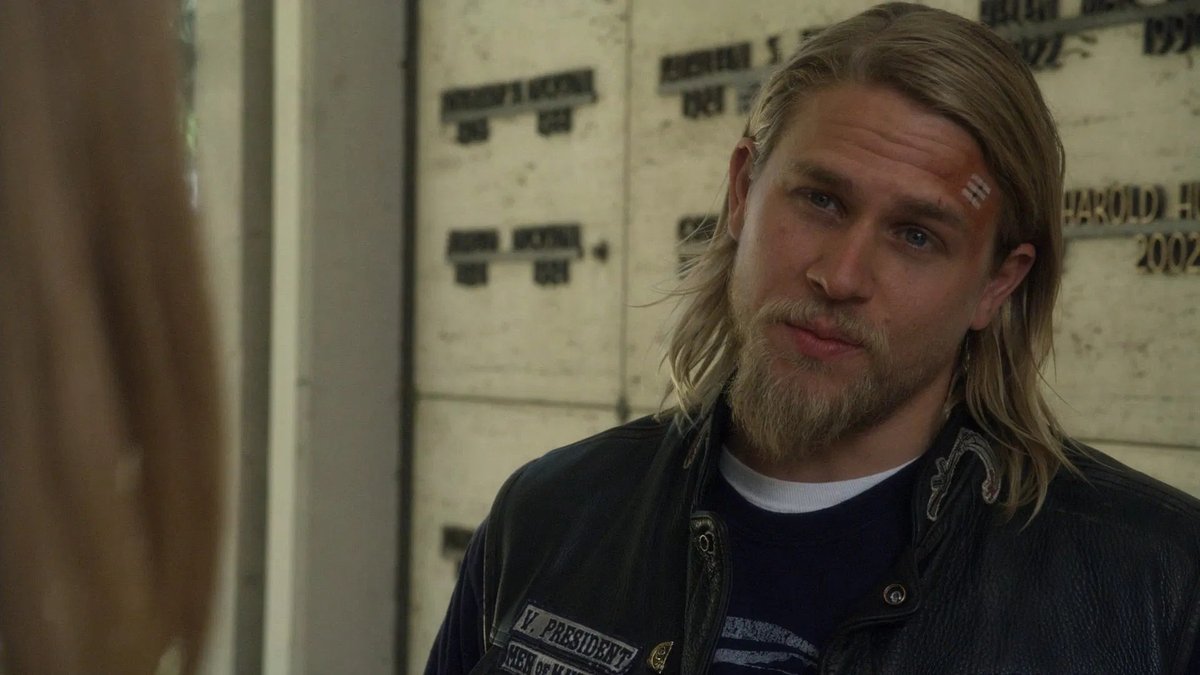
The third season of Sons of Anarchy plunged fans deep into the gritty, rain-slicked streets of Belfast, Northern Ireland, in a desperate search for Abel Teller. Beyond the on-screen drama, the production of Sons of Anarchy Season 3 presented a unique set of behind-the-scenes & trivia challenges and triumphs that shaped this pivotal chapter in SAMCRO's saga. It wasn't just a story; it was an ambitious undertaking that pushed the boundaries for a cable drama, delivering an arc that was both critically acclaimed and fiercely debated by fans.
Before we dive into the nitty-gritty, here's a quick look at what made Season 3's production so memorable:
At a Glance: Key Season 3 Behind-the-Scenes Insights
- Ambitious International Shoot: A significant portion of the cast and crew relocated to Belfast, Northern Ireland, for an unprecedented multi-episode storyline.
- Logistical Hurdles: Filming abroad meant navigating new crews, locations, weather, and the complexities of blending on-location shoots with their California studio work.
- Deep Character Arcs: The Belfast storyline forced intense emotional performances, particularly from Charlie Hunnam (Jax) and Katey Sagal (Gemma).
- Historical & Political Nuance: The show tackled the sensitive topic of the IRA, requiring careful research and portrayal.
- Intense Fan Reaction: The Belfast arc, while pivotal, also garnered mixed reactions for its slower pace and darker tone compared to previous seasons.
- Authenticity First: Creator Kurt Sutter prioritized realism, sending key crew members to scout locations and immerse themselves in the local culture.
Why Belfast? The Audacious Vision Behind Season 3
From the moment Abel Teller was snatched in the Season 2 finale, fans knew the stakes were higher than ever. But few anticipated the geographical leap Sons of Anarchy was about to make. The decision to send SAMCRO to Belfast, Northern Ireland, wasn't just a plot device; it was a massive creative and logistical gamble by creator Kurt Sutter.
Sutter, known for his uncompromising storytelling, recognized that Jax's journey to reclaim his son needed to be more than a simple manhunt. It had to be a deep dive into the Teller family's origins, exploring the hidden connections and old wounds that intertwined with SAMCRO's very foundation. Northern Ireland, with its complex political history and deep-seated loyalties, offered the perfect, volatile backdrop to explore these themes. It was about tying Jax's present dilemma to his father's past, revealing the full weight of the legacy he was trying to escape.
This wasn't a show to shy away from difficult subject matter, and Season 3 embraced the historical and modern-day complexities of the IRA, using the fictional Sons of Anarchy charter in Belfast as a lens. This commitment to an authentic, if fictionalized, exploration of real-world issues underscored Sutter's vision for the series as a whole.
The Logistical Nightmare and Triumph of Filming Abroad
Imagine taking a well-oiled machine like a major network TV show and relocating its core operation across an ocean. That's exactly what the Sons of Anarchy production team did. For the first five episodes of Season 3, much of the principal cast and a significant portion of the crew packed their bags and headed to Belfast.
This was no small feat. Most American television productions rely heavily on backlots and soundstages, with exterior shoots carefully planned within a limited radius. Flying an entire operation to an international location, coordinating with local production companies, hiring new crew members, and adapting to a completely different filming environment required meticulous planning and an immense budget.
"It was a huge undertaking," series star Charlie Hunnam (Jax Teller) often recounted in interviews, highlighting the challenges of working with new teams, differing film regulations, and, of course, the famously unpredictable Irish weather. Scenes requiring intricate stunts or large crowd control were suddenly magnified in complexity when shot on unfamiliar streets. Yet, the commitment to authenticity was paramount. The production scouted real locations, from historic pubs to rain-swept alleys, ensuring that Belfast felt like a genuine character in the story, not just a painted backdrop. The stark, often bleak, beauty of Northern Ireland added an undeniable layer of atmosphere that simply couldn't have been replicated on a California soundstage.
Unpacking the Belfast Arc: Creative Decisions and Fan Reception
The Belfast storyline was ambitious, challenging, and, for many, a departure from the show's established rhythm. While the first two seasons grounded the narrative firmly in Charming, California, Season 3 broadened the world, delving into the origins of the motorcycle club and its deep, often bloody, ties to the IRA.
Kurt Sutter acknowledged the risks, explaining that the goal was to "blow up the mythology" of the club by exploring its roots. This meant introducing new, morally ambiguous characters like Father Ashby (played by James Cosmo), Maureen (Paula Malcomson), and the sinister Jimmy O'Phelan (Titus Welliver), who quickly became central to the season's convoluted plot. The casting for these roles was critical, with the production seeking actors who could bring genuine gravitas and a sense of place to the Irish characters. Welliver, already known for his intense roles, delivered a chilling performance as the season's primary antagonist.
However, the change of pace and location also led to mixed reactions among the fanbase. Some viewers found the Belfast episodes slower, dense with exposition, and less action-packed than previous seasons. The focus shifted from internal club politics and local rivalries to an international hunt and a complex web of familial and political betrayals.
Others, however, praised the show's courage to take such a bold narrative risk. They argued that the slower burn allowed for deeper character development, particularly for Jax, who was pushed to his absolute emotional limits, and Gemma, who confronted her past trauma head-on. The decision to tell a story of such scope underscores why Sons of Anarchy transcended typical cable drama; it was willing to gamble big for narrative payoff. Exploring Sons of Anarchy Season 3 in its entirety really highlights this narrative risk.
Actor Journeys: The Toll and Triumph of Season 3
For the cast, Season 3 was an emotional and physical marathon. The intensity of the storyline — Jax's desperate search for Abel, Gemma's continued trauma, Clay's internal struggles — demanded peak performances.
Charlie Hunnam (Jax Teller): Hunnam often spoke about the immense pressure and emotional toll of playing Jax in Season 3. His character was stripped bare, fueled by grief and rage, pushing him to dark places. Filming in Belfast, away from the familiar comforts of the California set, amplified the sense of isolation and urgency that Jax experienced on screen. Hunnam committed fully, embracing the rain, the cold, and the relentless emotional weight, which helped him deliver one of his most raw performances in the series. The constant psychological strain of Jax's arc meant that off-screen, Hunnam often needed to decompress to separate himself from the character's turmoil.
Katey Sagal (Gemma Teller Morrow): Gemma's arc in Season 3 was particularly challenging, dealing with the aftermath of her sexual assault, her flight from Charming, and eventually confronting her past in Ireland. Sagal's portrayal earned her widespread critical acclaim, including a Golden Globe. The scenes depicting Gemma's emotional unraveling and her eventual, complicated reunion with her father and family in Belfast were incredibly demanding. Sagal's ability to convey such profound vulnerability and strength simultaneously was a masterclass in acting, making Gemma one of the most compelling characters on television.
Ron Perlman (Clay Morrow): While Clay wasn't at the forefront of the Abel storyline, his journey was critical in showing the cracks in his leadership and his growing moral ambiguity. Perlman, a veteran actor, often served as a grounding force on set, balancing the intense drama with his characteristic dry wit. His scenes navigating the precarious alliances with the IRA factions highlighted Clay's strategic mind, even as his personal life continued to crumble.
Beyond the main trio, the entire ensemble had to adapt to the new environment and the heavy narrative. The show's commitment to character depth meant that every actor, from the most seasoned veteran to the newer additions, was given ample opportunity to shine, adding layers to the complex world of SAMCRO.
Memorable Moments and Production Tidbits
Season 3 delivered numerous unforgettable scenes, each with its own behind-the-scenes story.
The Car Chase Through Belfast
One of the season's most iconic action sequences involved a high-stakes car chase through the narrow, winding streets of Belfast. This sequence was a logistical marvel, requiring precise coordination with local authorities, extensive stunt work, and strategic road closures. The challenge wasn't just speed; it was creating a sense of genuine danger and claustrophobia within the tight urban environment. The stunt coordinators worked closely with the directors to ensure the chase felt visceral and authentic to Belfast, utilizing the city's unique architecture to full effect. Multiple cameras were used, including dash cams and street-level rigs, to capture the frenetic energy.
Abel's Rescue and the Church Scene
The climax of the Belfast arc, where Jax finally reclaims Abel, was emotionally charged. The setting, a solemn church, provided a stark contrast to the violence and desperation that preceded it. Filming such a sensitive scene, especially with an infant, required careful planning. The directors worked to create a quiet, reverent atmosphere on set to allow Charlie Hunnam to fully immerse himself in the profound relief and heartbreak of the moment. The simplicity of the scene, devoid of explosions or gunfire, made its emotional impact all the more potent.
The Secret Plan: A Masterclass in Misdirection
One of the most talked-about "twists" of Season 3 was Jax's apparent betrayal of SAMCRO, only for it to be revealed as an elaborate ruse to take down Jimmy O'Phelan. This was a masterclass in screenwriting and acting. Behind the scenes, the cast and crew were sworn to secrecy, ensuring that the audience's surprise was genuine. Actors like Hunnam had to play Jax's "betrayal" with absolute conviction, knowing that the truth would eventually come out. This required a delicate balance, portraying Jax's rage and conviction without giving away the underlying plan. Kurt Sutter meticulously crafted the dialogue and scene blocking to mislead both the characters within the show and the viewers at home.
Practical Effects vs. CGI: The Gritty Reality
Sons of Anarchy consistently favored practical effects over CGI whenever possible, maintaining its gritty, realistic aesthetic. For Season 3's action sequences, whether it was a motorcycle crash or a brutal fight, the production team relied heavily on skilled stunt performers and clever practical rigging. This approach added a tangible weight to the violence and helped ground the fantastical elements of an outlaw motorcycle club in a believable reality. Even the more gruesome injuries often utilized intricate prosthetics and make-up, ensuring that the impact felt real without relying on overly polished digital effects.
The Enduring Legacy of Season 3's Bold Storytelling
Season 3 of Sons of Anarchy remains a topic of intense discussion among fans, often cited as the point where the show truly defined its ambition. It expanded the show's universe, deepened its mythology, and challenged its core characters in ways that resonated throughout the rest of the series.
The decision to film abroad, though a massive undertaking, paid off in dividends, lending an undeniable authenticity and scale to the narrative that simply couldn't have been achieved otherwise. It solidified Sons of Anarchy as a show unafraid to take risks, even if those risks meant venturing into uncharted territory, both literally and figuratively. This season proved that a character-driven drama could also possess the scope and ambition typically reserved for feature films, setting a new benchmark for cable television.
Your Burning Questions About SOA Season 3 Trivia, Answered
Let's clear up some common questions and misconceptions about the production and events of this pivotal season.
Was the entire cast really in Belfast for the whole arc?
Not the entire cast for the entire arc, but a significant portion of the main cast (including Charlie Hunnam, Katey Sagal, Ron Perlman, Tommy Flanagan, Kim Coates, Mark Boone Junior, and Maggie Siff) and key crew members were indeed in Belfast for approximately two weeks of filming that covered the core external shots and pivotal scenes for several episodes. Other scenes were shot on the familiar California sets, meticulously dressed to match the Belfast locations or depicting parts of Charming that the remaining club members were handling. The blend of on-location and studio work was seamless, thanks to the dedicated art and production design teams.
How did the show handle the accents of the Irish characters?
Authenticity was crucial. The production made a conscious effort to cast Northern Irish actors or actors highly skilled in the accent (like Titus Welliver as Jimmy O'Phelan) to portray the Belfast characters. Dialogue coaches were on set to ensure consistency and realism, helping both the American and Irish actors maintain their specific dialects without slipping, contributing significantly to the immersive feel of the episodes.
Was the relationship between SAMCRO and the IRA based on real history?
Sons of Anarchy is a fictional show, but Kurt Sutter often drew inspiration from real-world outlaw motorcycle clubs and historical conflicts. While the specific club (SAMBEL) and its dealings with the IRA are fictionalized, the underlying tension, political landscape, and certain historical references were researched to lend credibility to the storyline. The show aimed to explore the dynamics of such relationships within a fictional context rather than providing a historical documentary.
What was the biggest challenge of filming in Belfast?
Many involved cited the logistical challenge of coordinating a large American production with local crews and resources as the biggest hurdle. Adapting to different working practices, navigating local regulations, and managing the constant movement of a large cast and crew in a foreign country presented daily tests. The unpredictable weather, often rainy and cold, also played a significant role, requiring flexible scheduling and quick thinking from the production team.
Beyond the Biker Gear: Taking Away Lessons from Season 3
If Sons of Anarchy Season 3 taught us anything about television production, it's that taking creative risks, embracing logistical challenges, and investing deeply in character development can lead to truly memorable storytelling. For fans, it provided an unparalleled look into the origins and complexities of SAMCRO, pushing the boundaries of what a TV show could achieve.
Revisiting this season isn't just about the plot; it's about appreciating the immense effort, dedication, and artistic vision that went into bringing such a sprawling and intense narrative to life. It's a testament to the power of television to transport you, not just to another place, but into the very heart of a family, however outlawed, that resonated with millions.